
Tooele City Directory Collections and Leads
Research found a 1974 Polk’s Tooele catalog lead and a second 1976 lead that includes Grantsville and rural residents. The exact shelf, publisher series, final printed edition, reverse-directory run, and public sample entry were not verified. That uncertainty matters: a catalog record is evidence that a lead exists, not proof that every expected volume or field is available.
| Collection | Years | Where Held | Access |
|---|---|---|---|
| Polk’s Tooele catalog leads | 1974 and 1976 leads | Library, museum, genealogy catalogs | Verify shelf and access first |
| FamilySearch county records | 1855–1956 | FamilySearch images | Search, browse, and cite images |
| Utah State Archives records | 1848–2001 | Archives and FamilySearch | Finding aids and restrictions apply |
| Sanborn map context | 1910 reference, 1911 LOC | Library of Congress / historic walk | Building footprints, not people |
There is no source-checked complete city-directory run in the research file, and no official digitized sample entry or abbreviation key. Ask the Tooele City Library at 128 W Vine, (435) 882-2182, and the Pioneer Museum at 47 E Vine, (435) 882-3168, whether a volume can be viewed, photographed, or reproduced. Note any missing years instead of filling them with assumptions.
What a Tooele Directory Can Establish
A city directory can provide a dated name-and-address clue, sometimes alongside an occupation, spouse notation, owner or renter mark, or abbreviation. Those fields are generic expectations that must be checked against the actual volume. The research did not inspect a public Tooele entry, so no local abbreviation should be presented as confirmed.
Use the directory as one point in a chain. Match its street and number to a deed, plat, Sanborn footprint, census release, obituary, cemetery record, or municipal ledger from a similar period. A directory may reflect a boarder, renter, business, or household head and can omit people who were present but not listed.
- Criss-cross directory
- An address-first directory that helps move from a place to a name.
- Householder index
- A name-led pointer to a household head or address, where the source provides one.
- Abbreviation key
- The publisher’s guide to short forms used for occupations, relationships, or address notes.
Tooele City Directory Museum Collections
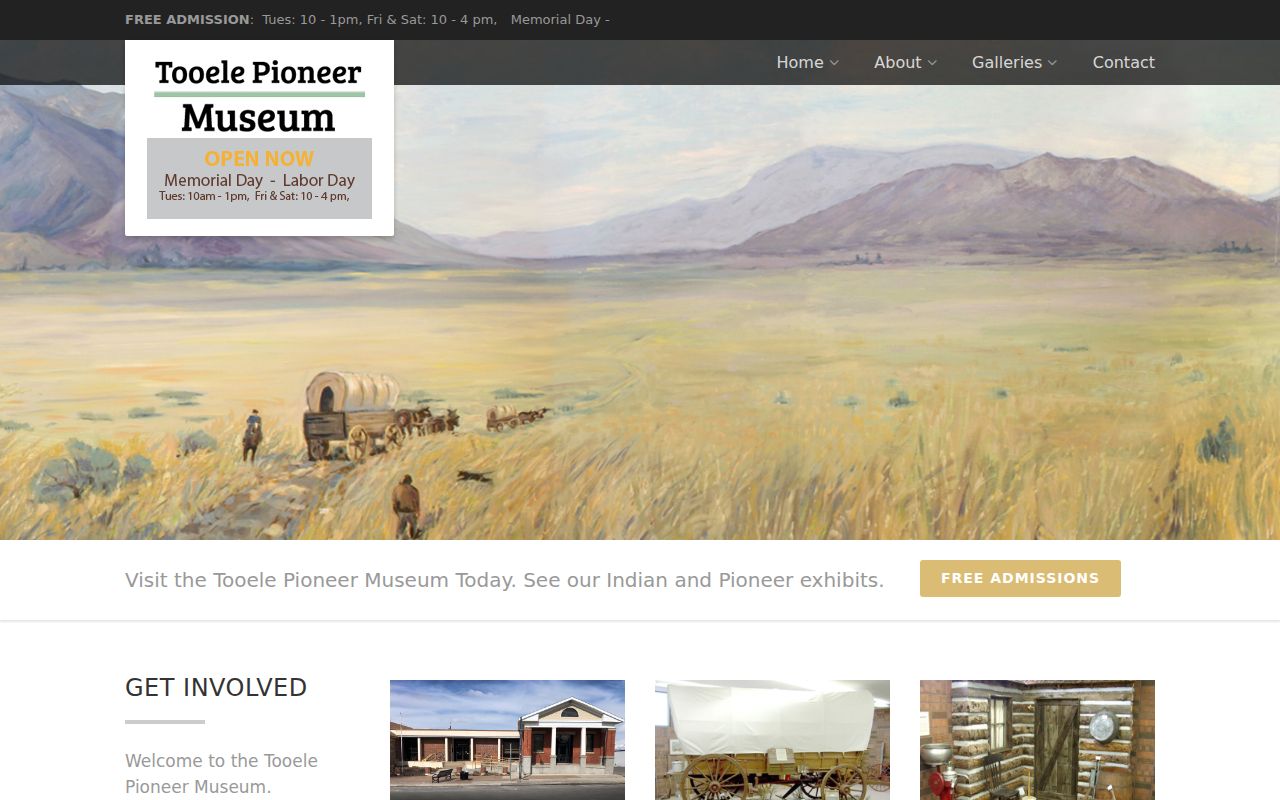
The Pioneer Museum’s local material includes family histories, photographs, school yearbooks, T-Leaves issues, rare documents, and business or manufacturing exhibits. Its listed yearbook examples include Tooele High volumes from 1924, 1927, 1929, and 1940, plus a 1995 alumni directory. T-Leaves issues span selected years from 1944 through 1987. Call ahead because the exact item list and access schedule can vary.
The Museum also holds family histories for Peder and Magdalena Nielsen, Peter Hansen, Mary Oldfield, and Hilda Erickson, along with images of the post office, cemetery, Main Street, smelter, classes, homes, and parades. These are valuable for family history and place research, not a current list of living people.
Check the Tooele Pioneer Museum route before planning a research visit.
Tooele City Directory Library Routes
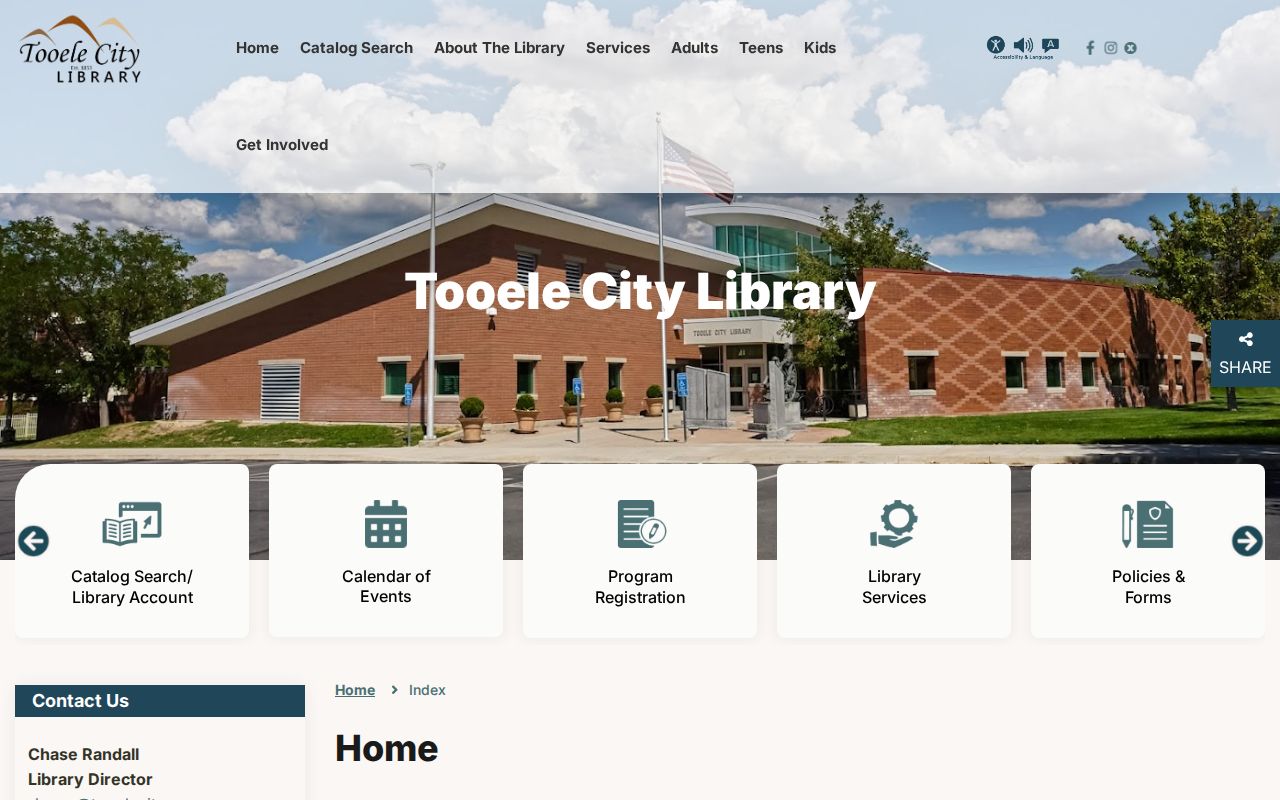
Tooele City Library, 128 W Vine, is open Monday through Saturday on the hours listed in the research file, with Sunday closed. Its catalog is at tooele.aspendiscovery.org, and Utah’s Online Library supplies local newspaper and database routes. The local page names Tooele Transcript Bulletin, KSL/KUTV Tooele, A History of Tooele County, and I Love History: Tooele County. The current library page does not claim a particular obituary index, telephone-book run, or named licensed genealogy database.
Ask the librarian whether a directory or obituary source is held locally, whether a library card is needed, and whether fragile material must be viewed by appointment. For a newspaper clue, keep the issue date, title, page, and library route. Do not turn a search snippet into a complete person record.
The library route also separates discovery from access. The local history page points to the catalog, Utah Online Library, newspapers, and StoryMap material, while the physical desk can explain whether a volume is on an open shelf or must be requested. Reproduction, copyright, and appointment rules belong in the citation. If a directory is not listed, ask for a catalog search by publisher, year, street, or “Tooele County” rather than assuming that no local copy exists.
Open the Tooele City Library catalog and local-history route for current access details.
Tooele City Directory Archives Context
Utah State Archives finding aids reach well beyond a printed city directory. Tooele recorder ledgers run from 1861–1945, county commission records from 1867–1888, city tax collection from 1871–1873, city business-license registers from 1916–1959, water billing from 1921–1938, public works from 1927–1937, and city court citations from 1943–1960. The Archives also lists Third District naturalization books from 1896–1955 and civil files from 1896–1971.
Access is through the finding aid, reference appointment, archive request, or in-person research, with privacy restrictions possible. These series can anchor a directory name to a civic event or address-era fact without suggesting that the archive contains a simple resident roster.
Series choice should follow the question. A water-billing ledger can place a service account in an era, a business-license register can identify a commercial activity, and a city-court or probate file can explain a relationship or event. None should be merged into a directory entry without its own date and record description. The Archives and the Museum are fallback channels when a printed directory lead cannot be confirmed online.
Tooele City Directory FamilySearch Bridge
FamilySearch’s “Utah, Tooele County Records, 1855–1956” collection contains 114,486 images. Its search controls include first names, last names, birth-place parts, birth year, More Options, Search, browse images, and citation details. Materials include marriage affidavits, grantor and grantee indexes, deeds, land abstracts, naturalization, discharges, will indexes, and other land indexes at the courthouse.
A second Utah State Archives collection covers 1848–2001 and includes civil and criminal files, divorce, probate, naturalization, Grantsville Cemetery burial cards from 1855–1991, and probate minutes from 1859–1888. Search a directory name against these records only when the date and jurisdiction match. The Tooele address records guide is the next step when a historical name needs a modern parcel comparison.
Tooele City Directory Sanborn Context
The Library of Congress catalog identifies an October 1911 Tooele Sanborn map in eight sheets. The City historic walk refers to 1910 Sanborn material. These maps show building footprints, streets, and fire-insurance context. They do not list a current resident and they should not be treated as a modern parcel boundary.
Tooele’s smelter-era history, New Town and Broadway, and the 1927–28 Kirk Hotel provide useful context for reading a street or household source. The Utah Historical Society also holds Tooele photographs from 1908–1944, including International Smelting images and a 1942 warehouse fire. Mark every image by edition and date.
Trace a Tooele City Directory Household
Begin with one known name, address, or family relationship and write the source date beside it. Find the earliest directory lead, then check the same street in the next available edition. Compare the address with a released census year, deed or plat, city tax or water ledger, obituary, cemetery card, or court/probate finding aid. Differences in spelling, household membership, and address format are expected because each source had a different purpose.
- Record publisher, edition year, institution, page, and exact entry wording.
- Search the same surname and nearby address in the next verified volume.
- Use a parcel legal description or map footprint to test address continuity.
- Confirm a death, marriage, or probate clue with the proper eligibility rule.
- Keep living-person information private and cite the original custodian.
Read a Tooele Directory Entry
No public official sample entry was located for the Tooele 1974 or 1976 catalog leads. A researcher should inspect the actual volume for the name line, address, occupation or business note, spouse notation, owner or renter mark, widow notation, and publisher abbreviation key. Those are a checklist for inspection, not confirmed fields in a local edition.
| Name | Copy initials, spelling, and any spouse notation exactly |
|---|---|
| Address | Record house number, street form, and unit or business mark |
| Occupation | Verify any occupation or business note in the volume |
| Owner mark | Check the publisher’s symbol key before interpreting it |
| Widow notation | Treat a relationship note as a clue, not identity proof |
- Criss-cross section
- The street-order half of a directory, when the edition includes one.
- Householder index
- A name-led pointer to a household or address, if supplied by the publisher.
- Abbreviation key
- The publisher’s guide to short forms used in entries and should be checked first.
Use Tooele City Directories for Family History
A family-history search works best when it moves between sources instead of asking one city directory to do every job. Start with a known person and approximate year. Use a verified directory lead to find an address, compare that address with a released census schedule, then check deeds, naturalization, probate, cemetery, or newspaper material. FamilySearch and the State Archives can supply the older record layer; the library and Museum can explain local collections.
- Write down the known name, address, relatives, and year before searching.
- Inspect the closest verified directory edition and cite its page.
- Compare street spelling and house number with a deed, plat, or Sanborn sheet.
- Use a census year and a second directory year to test household continuity.
- Confirm a death, marriage, or probate clue with OVRS, Archives, cemetery, or newspaper material.
Disappearing from a directory can mean a move, death, an omitted household, a publication gap, or a changed street format. Test those possibilities with the date, address, and a second source. For a current person question, use the Tooele resident lookup workflow instead of treating an old directory as present-day proof.